Quran · Arabic · Islamic studies

A language to learn.
A faith to grow.

Explore the Quran, find your voice in Arabic, and build a meaningful understanding of Islam. A thoughtful learning journey for children and adults, at every starting point.

Your first lesson is free. Try the teaching, then decide whether to continue.
For beginners and growing learners · English-guided Arabic learning
MM Learning AcademyQURAN · ARABIC · ISLAMIC STUDIES
QURAN & TAJWEEDARABIC FOR EVERYDAY LIFEREADING & WRITINGISLAMIC UNDERSTANDING
Mostafa Mohamed, Quran, Arabic and Tajweed teacher
Meet your teacher

Assalamu Alaikum,
I’m Mostafa Mohamed.

An Al-Azhar University graduate based in Cairo, Egypt, teaching Quran, Arabic, Tajweed, and Islamic studies online to non-Arabic speakers.

My Quran journey

I memorized the Quran at age 10 and began learning Tajweed at 12. My journey has included reciting with Tajweed, leading prayers as an Imam, and studying Fiqh, Tafseer, Hadith, and Aqeedah.

Teaching across borders

I have taught children and teenagers from Canada, the United States, and the United Kingdom, supporting learners across different countries and time zones.

How I teach

I use games, simple activities, and animated PowerPoint lessons to explain ideas clearly and help students stay engaged. I aim to make each lesson relaxed, enjoyable, and encouraging.

I keep learning, both in my subjects and in new teaching methods, so I can better support my students.

Learn with me · First lesson free ↗
Three paths. One meaningful journey.

What would you like to learn?

Start with the subject that matters most to you, or combine them into a balanced learning routine.

01 / QURAN

Read with care.
Recite with confidence.

Build a foundation in Quran reading, then develop pronunciation, recitation, and memorization step by step.

  • Arabic letters and Quran reading
  • Tajweed and pronunciation practice
  • Memorization and regular revision
Explore your Quran path ↗
02 / ARABIC

Speak it. Read it.
Make it your own.

Connect the alphabet to real communication through guided speaking, reading, and writing practice.

  • Everyday vocabulary and conversation
  • Reading from letters to short texts
  • Handwriting and sentence building
Explore your Arabic path ↗
03 / ISLAMIC STUDIES

Understand your faith.
Bring it into daily life.

Explore core beliefs, worship, and good character through clear explanations and meaningful discussion.

  • Foundations of Islamic belief and worship
  • Seerah and age-appropriate learning
  • Daily manners and Islamic values
Explore your Islamic studies path ↗
A look inside our lessons

Sample Lessons

Explore real examples of our teaching materials. Open a preview and browse selected slides right here.

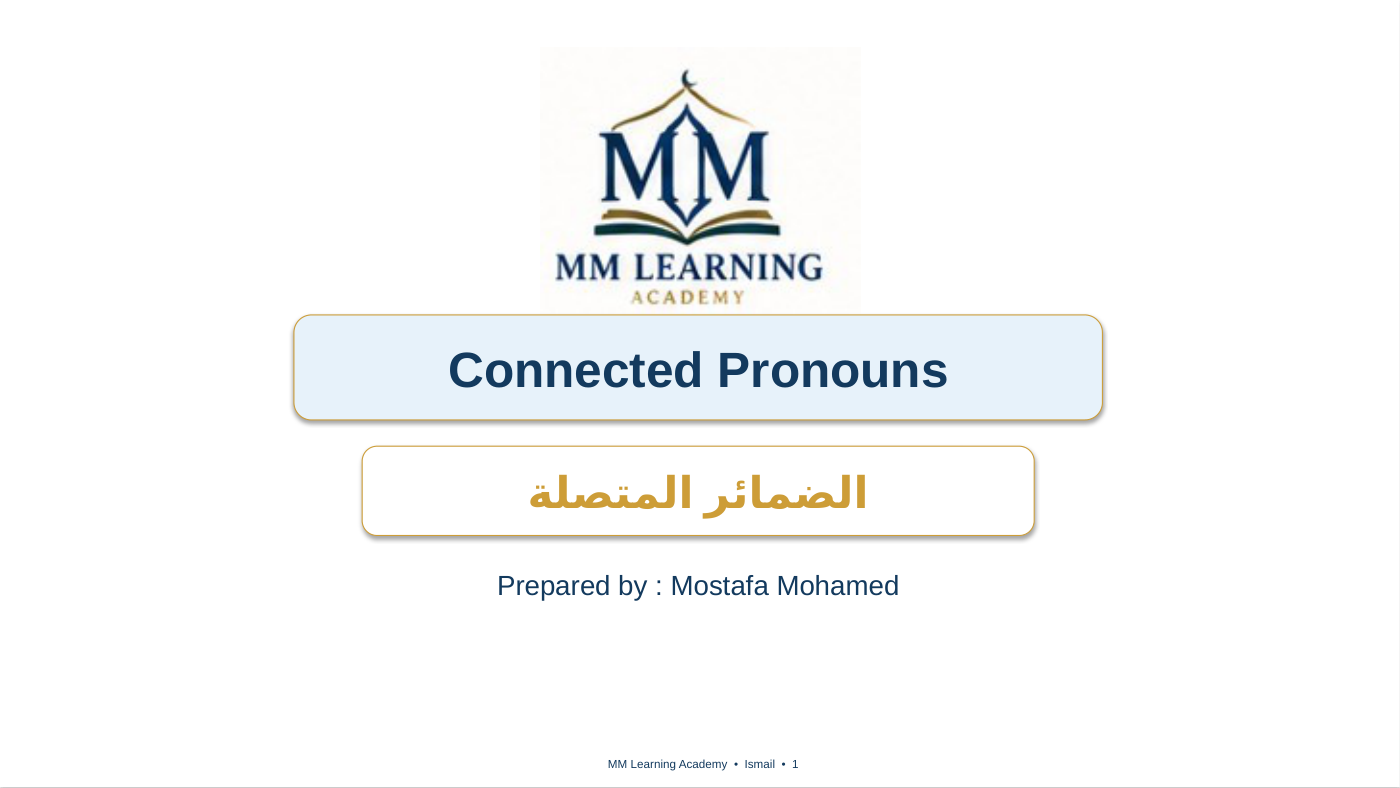
Sample slide from Connected PronounsView preview ↗
Arabic grammar

Connected Pronouns

See how attached pronouns tell us who did an action, with examples and practice questions.

Preview lesson5 selected slides
Sample slide from Fatha & First ReadingView preview ↗
Arabic reading

Fatha & First Reading

Practice the short vowel fatha, then connect letter sounds to simple words.

Preview lesson4 selected slides
Sample slide from Surah Al-Qari’ahView preview ↗
Quran learning

Surah Al-Qari’ah

Explore the surah’s name, key facts, and main topic through visual lesson slides.

Preview lesson5 selected slides
Sample slide from Searching for AllahView preview ↗
Islamic studies

Searching for Allah

A story-based lesson about Prophet Ibraheem, with questions to guide discussion.

Preview lesson4 selected slides
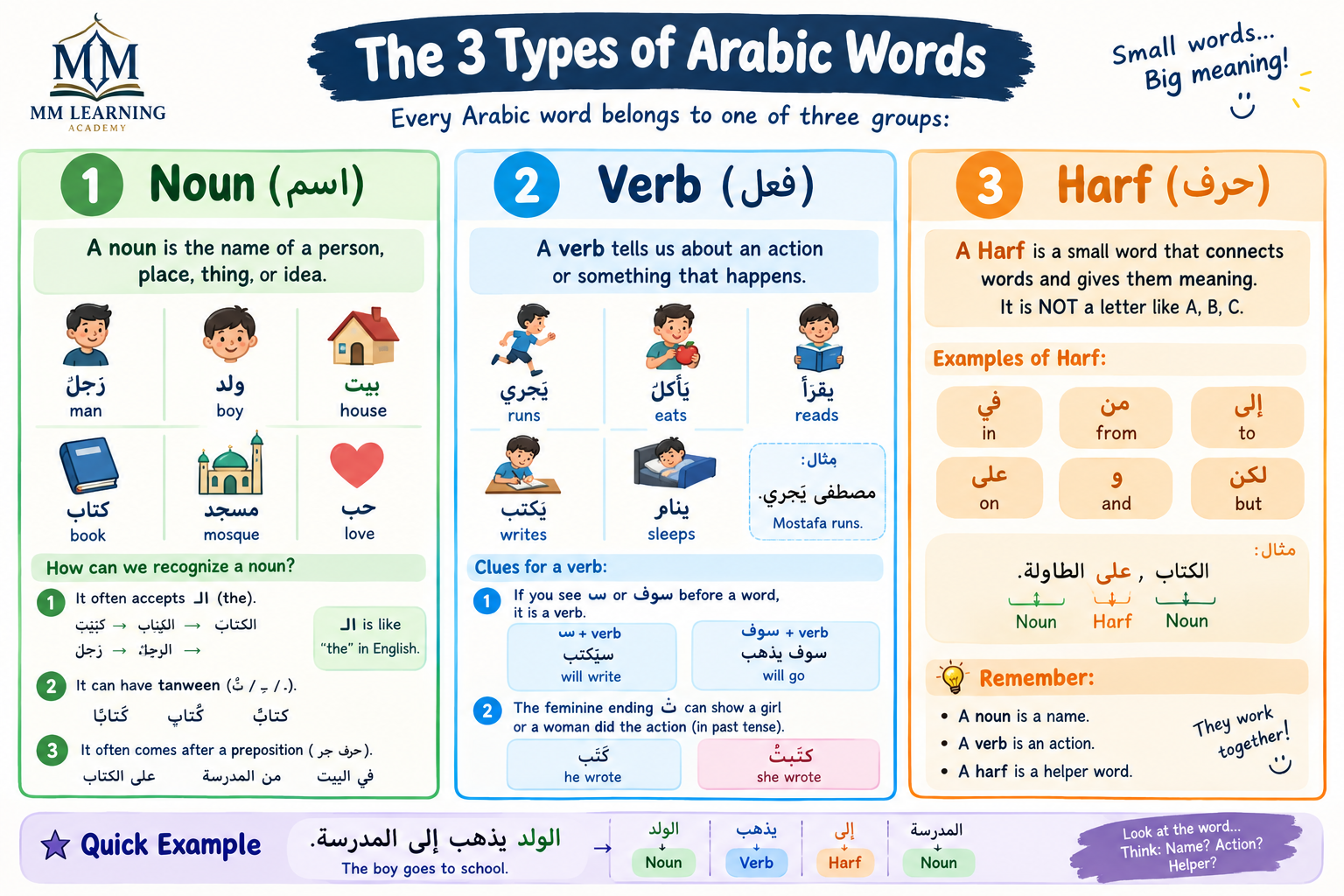
Sample slide from The 3 Types of Arabic WordsView preview ↗
Illustrated Arabic guide

The 3 Types of Arabic Words

A visual introduction to nouns, verbs, and particles, with Arabic examples and English explanations.

View illustrated guideTeaching poster

Like the way we teach? Try your first lesson for free.

Book a free first lesson ↗
A little Arabic, every day

From your first word
to your own sentence.

See how one simple phrase can connect speaking, reading, and writing.

أَنَا أَتَعَلَّمُ الْعَرَبِيَّةَ

“I am learning Arabic.” Practice introducing yourself, then use the phrase in a short conversation.

Illustrative learning example
Learning with intention

Small steps. A strong foundation.

01

Find your starting point

Begin with what you already know and choose a clear, achievable goal.

02

Learn, then practice

Connect explanations with recitation, conversation, reading, or writing activities.

03

Return and grow

Revisit earlier lessons regularly. Build confidence through a steady rhythm of practice and revision.

Your first lesson is on us

Try a lesson.
Then decide.

Book your first lesson for free. Experience the teaching, see how the explanations work for you, and evaluate the lesson for yourself. Afterwards, you decide whether you’d like to continue.

Book my free first lesson ↗

No commitment to continue. Arrange your first lesson directly with us on WhatsApp.

01

Book your free lesson

Send us a WhatsApp message to arrange a suitable time and learning focus.

02

Experience the teaching

Try the explanations and activities, and ask your questions.

03

Make your own decision

Evaluate the experience and choose whether to continue learning with us.

Your next step

A path that starts
where you are.

Choose your focus and experience level to get a suggested starting plan.

This planner offers an introduction to learning options. To ask about lessons or discuss your learning goals, message us directly on WhatsApp.

Chat on WhatsApp ↗
A few helpful answers

Before you begin

Can I try a lesson before deciding to continue?

Yes. Your first lesson is free. You can experience the teaching, evaluate it, and then decide whether you want to continue. Message us on WhatsApp to arrange it.

Can I begin without knowing Arabic?

Yes. A beginner's learning path starts with the letters and sounds. English explanations can support your understanding while you gradually build your Arabic skills.

What is the difference between Quran and Arabic learning?

Quran learning focuses on reading, recitation, tajweed, and memorization. Arabic learning develops broader speaking, reading, and writing skills. The two can support each other.

Can children use these learning paths?

Yes. Activities and pace should be adapted to a child's age and current understanding. Short practice sessions, repetition, and clear examples help keep learning manageable.

How can I make consistent progress?

Choose one clear goal, practice a little regularly, and review earlier material. A teacher can help assess your starting point and tailor the next steps.

WhatsApp
Lesson preview